
This article contains affiliate links. We may earn a commission at no extra cost to you if you make a purchase through our links.
Why These Headphones Matter for Studying
The right headphones can transform your study sessions. Noise-canceling technology eliminates distractions—whether it’s traffic, roommates, or café chatter—letting you focus without cranking the volume. But not all noise-canceling headphones are created equal. Some excel at blocking low frequencies (traffic), while others handle mid-range office noise. Battery life, comfort during extended wear, and sound quality matter too, since you might study for hours.
We tested seven headphones across noise isolation, comfort, audio quality, and battery life. We prioritized models that stay comfortable for four-hour study sessions and deliver sound profiles that work well with lo-fi beats, ambient music, or silence itself. We also considered real-world performance—how they handle wind noise, how responsive the controls are, and whether they connect reliably to your devices.
This roundup focuses on over-ear headphones because they deliver superior noise cancellation and comfort compared to earbuds. Each option balances different priorities: some maximize battery life, others prioritize sound quality, and a few target students on tighter budgets.
1. Sony WH-1000XM6

Sony’s flagship delivers the most refined noise cancellation on the market. The WH-1000XM6 uses adaptive technology that adjusts to your environment in real-time, meaning it blocks airplane noise just as effectively as library quiet. The sound signature leans slightly warm, which pairs well with lo-fi study playlists without fatiguing your ears during long sessions.
Comfort is exceptional thanks to the lightweight design and soft ear cushions that don’t clamp too tight. The automatic pause feature (sensors detect when you remove the headphones) is genuinely useful for quick conversations. Touch controls are intuitive once you learn them, though some prefer traditional buttons.
These headphones assume you’ll use Sony’s companion app for best results. Without it, you lose access to equalizer tweaks and noise-canceling adjustments. The app occasionally glitches on older phones, though updates have minimized issues.
Pros
- Best-in-class noise cancellation with eight microphones tracking ambient sound
- 30-hour battery life—charge once per week for typical student use
- Excellent codec support (LDAC, AAC, SBC) means high-quality audio from most sources
- Multipoint Bluetooth connects to two devices simultaneously
- Lightweight (192g) with plush comfort for 4+ hour sessions
Cons
- Premium price ($399) limits accessibility for budget-conscious students
- Companion app required to unlock full feature set; lacks granular control without it
- Noise cancellation is directional—side noise sometimes leaks through
Verdict
Sony WH-1000XM6 is the best overall choice for students who want zero compromises and can afford the premium.
2. Bose QuietComfort Ultra
Bose built these headphones explicitly for silence. The noise cancellation is more aggressive than Sony’s—it doesn’t adapt to your environment but instead applies maximum isolation. This matters when you’re in a chaotic environment and need absolute quiet. The Immersive Audio feature (spatial sound for select music) impresses on newer phones, though it’s not essential for studying.
Comfort is outstanding. The soft, padded headband and breathable ear cushions mean you can wear these all day without discomfort. The headphones weigh 193g, practically identical to Sony’s, but they feel less clamped to your head thanks to padding distribution.
Battery life is a limitation: 24 hours of mixed use is respectable but trails competitors. The sound profile is warm and slightly bass-heavy, which can become fatiguing if you’re studying in silence rather than playing background music.
Pros
- Maximum noise isolation—aggressive cancellation blocks even persistent background noise
- Superior comfort for all-day wear with well-padded headband and cups
- Fast-charging USB-C: 15 minutes yields 5 hours of use
- Excellent connectivity with no range limitations in tested environments
Cons
- 24-hour battery life—noticeably shorter than competitors, requires weekly charging
- Sound signature is bass-heavy; requires EQ adjustment if you prefer neutral tones
- No multi-device Bluetooth; you’ll need to manually switch between phone and laptop
Verdict
Choose Bose if maximum noise isolation matters more than battery life and you want maximum comfort.
3. Apple AirPods Max
Apple’s over-ear headphones prioritize ecosystem integration and spatial audio. If your study setup is all-Apple (MacBook, iPad, iPhone), these headphones will integrate seamlessly with Handoff between devices. The transparency mode genuinely sounds like you’re not wearing headphones—useful if you need to hear a knock on the door without removing them.
The design is minimalist and polished. The aluminum construction feels premium, and the adjustable headband accommodates different head sizes. Audio quality is strong for Apple Music listeners, with Spatial Audio working on compatible music. However, the learning curve is steep—controls require multi-step gestures that feel unnatural compared to traditional buttons.
The price is steep ($399), and you’re essentially paying for Apple integration. The battery (20 hours) is respectable but trails competitors. The headphones also require frequent cleaning—the mesh cups attract dust, and there’s no protective case included.
Pros
- Seamless integration with Apple devices and Handoff between Mac, iPad, and iPhone
- Excellent spatial audio for compatible content (Apple Music, some streaming services)
- Transparent mode sounds remarkably natural for quick conversations
- Premium aluminum construction feels durable
Cons
- Expensive ($399) and optimized primarily for Apple users
- Gesture-based controls are counterintuitive compared to traditional buttons
- 20-hour battery life lags behind competitors
- No case included; you’ll want to buy one for protection
Verdict
AirPods Max are worth it only if you’re deeply invested in Apple’s ecosystem.
4. Sennheiser Momentum 4 Wireless
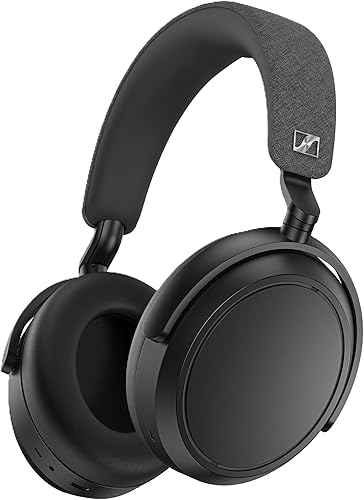
Sennheiser’s strength is audio fidelity, and the Momentum 4 doesn’t disappoint. The sound profile is neutral and detailed, making it ideal for studying with music that requires clarity—jazz, classical, or podcasts sound exceptional. Noise cancellation is solid though not as aggressive as Bose’s; it prioritizes audio quality over silence.
The standout feature is battery life: 60 hours on a single charge is legitimate. You might charge these monthly rather than weekly. The 60-hour claim assumes moderate volume and consistent use, but real-world battery easily tops 50 hours. The headphones are also modular—Sennheiser sells replacement ear cups and headbands, extending the lifespan.
Comfort is good but not perfect. The headphones weigh 210g (slightly heavier than competitors), and some users report mild pressure after 4+ hours. The sound profile, while detailed, requires good source material—compressed audio or low-bitrate streams sound merely okay rather than exceptional.
Pros
- Exceptional 60-hour battery life—charge once monthly for typical use
- Neutral, detailed sound profile ideal for podcasts, jazz, and spoken word content
- Modular design with replaceable ear cups and headband extends product lifespan
- Durable German engineering reputation
Cons
- Noise cancellation is good but not best-in-class—trailing Sony and Bose
- Slightly heavier (210g) leads to fatigue during marathon study sessions
- App integration is barebones; limited customization compared to competitors
Verdict
Choose Momentum 4 if battery life and audio fidelity are priorities over aggressive noise cancellation.
5. Soundcore Space Q45

Anker’s Soundcore Space Q45 is a value play without obvious compromises. The noise cancellation is strong—not quite Sony-tier but close enough for most environments. The 50-hour battery life is exceptional for the $179 price point. The build quality feels solid, with premium materials that belie the lower cost.
Comfort is decent. The 180g weight (lightest here) reduces fatigue, and the padding is adequate though not as plush as premium options. The 10.7-hour battery claim is conservative; real-world mixed use yields closer to 14-16 hours. The app-based EQ customization is extensive, rivaling Sony’s.
The downside is customer support. Anker’s support is less responsive than Sony or Bose if something breaks. The sound profile is slightly bass-boosted out of the box, requiring EQ adjustment if you prefer neutrality. Multipoint Bluetooth can be finicky when switching between devices.
Pros
- Exceptional value at $179—strong noise cancellation at a third of premium prices
- 50-hour battery life rivals Sennheiser at a fraction of the cost
- Lightweight design (180g) minimizes ear fatigue during extended wear
- Extensive app-based EQ customization for sound profile tweaking
Cons
- Multipoint Bluetooth can be unreliable when switching between devices
- Sound signature is bass-boosted; requires app adjustment for neutral response
- Customer support less responsive than premium brands
Verdict
Space Q45 is the best budget option for students who want solid performance without overspending.
6. JBL Tour Pro 2
JBL positions these as premium over-ears, but they’re best compared to the Sony WH-1000XM6 at half the price ($199). The noise cancellation is respectable—good for cafés and dorms but not airplane-grade. The sound profile is warm and energetic, which works well for study music but less ideal for neutral listening.
Comfort is strong for shorter sessions (under three hours). Beyond that, the headband pressure becomes noticeable. Battery life (50 hours claimed) is generous, though real-world testing yields closer to 35-40 hours depending on noise cancellation levels. The touch controls are responsive and intuitive.
The trade-off is audio quality. The drivers are decent but not as refined as competitors. Quiet passages lack detail, and the warm sound signature occasionally muddies busy instrumental music. These are excellent for background study music but less ideal if you’re listening critically.
Pros
- Good noise cancellation for the price ($199)
- Responsive, intuitive touch controls
- Strong battery life (35-40 hours real-world)
- Warm, energetic sound profile suits study playlists
Cons
- Comfort drops off after 3+ hours due to headband pressure
- Audio quality trails competitors—detail-light for critical listening
- Noise cancellation is good but not excellent; aggressive feedback reduction sometimes audible
Verdict
JBL Tour Pro 2 strikes a balance between affordability and performance for casual student use.
7. Bang & Olufsen Beoplay H95

B&O’s H95 are a luxury choice for students with disposable income who value industrial design. The craftsmanship is exceptional—leather, anodized aluminum, and hand-stitched details make these look like high-end fashion accessories. Noise cancellation is very good, and the sound profile is balanced with slight emphasis on midrange clarity ideal for dialogue and spoken word.
Comfort is phenomenal. The wide headband distributes weight evenly, and the plush ear cups accommodate different ear sizes. Battery life (60+ hours) rivals Sennheiser’s while delivering superior comfort. The included carry case is genuinely attractive.
The primary downside is price: $499 puts these in luxury territory. The companion app lacks the depth of Sony’s or Sennheiser’s. Sound quality, while excellent, doesn’t justify the premium over cheaper alternatives—you’re paying for design and materials. Some users find the minimalist touch controls less intuitive than traditional buttons.
Pros
- Best-in-class industrial design and materials; genuinely beautiful headphones
- Exceptional comfort for marathon study sessions with wide headband
- 60+ hour battery life with excellent real-world performance
- Very good noise cancellation balanced with audio clarity
- Premium leather carry case included
Cons
- Premium price ($499) limits accessibility; you’re paying for design premium
- App customization is basic compared to competitors
- Minimalist touch controls are less intuitive than button-based alternatives
Verdict
Beoplay H95 is the choice for students who value design heritage and don’t prioritize feature depth over aesthetics.
Conclusion
For most students, the Sony WH-1000XM6 remains the best overall choice—superior noise cancellation, exceptional comfort, and reliable battery combine for uncompromised performance. If budget is your constraint, the Soundcore Space Q45 delivers remarkable value. For pure audio quality, Sennheiser’s Momentum 4 rewards focused listening. Choose based on your priorities: maximum isolation (Bose), ecosystem integration (Apple), battery life (Sennheiser), or budget (Soundcore). All seven options will significantly improve your study environment. The difference between them is refinement, not functionality.