
This article may contain affiliate links. We may earn a commission at no extra cost to you.
Why Chromebooks Are Actually Perfect for Broke Students
Alright, listen up, freshmen! If you’re heading to college and your budget is tighter than your schedule, Chromebooks are your new best friend. I know what you’re thinking: "But aren’t Chromebooks just cheap laptops?" Well, let me tell you, they’re anything but cheap when it comes to value.
First off, let’s talk price. You can snag a solid Chromebook like the Lenovo Chromebook Flex 5i for around $350. Compare that to a MacBook Air, which will set you back at least $1,000, or a decent Windows laptop that starts around $600. For the price of one MacBook, you could buy three Chromebooks and still have money left for pizza and textbooks!
Now, let’s talk battery life. Ever had a day where you’re rushing from one lecture to the next, and your laptop dies mid-presentation? Not with a Chromebook. Most models, including the ASUS Chromebook Flip C436, offer up to 12 hours of battery life. That means you can power through back-to-back classes without worrying about finding an outlet.
And here’s where Chromebooks really shine: they’re cloud-first. What does that mean for you? It means you can access your files from anywhere, collaborate in real-time with classmates, and never worry about losing your work because it’s all saved in the cloud. Plus, Google Workspace (that’s Google Docs, Sheets, and Slides) is free and integrated seamlessly. No more worrying about expensive software licenses or compatibility issues.
So, if you’re a broke student looking for a reliable, affordable laptop, do yourself a favor and check out Chromebooks. Trust me, your wallet (and your grades) will thank you.
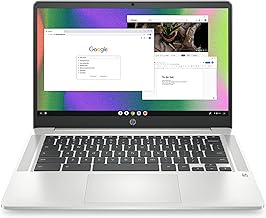
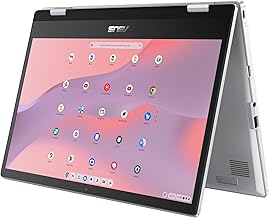
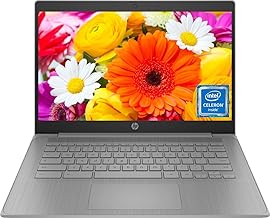 N4020), 4GB RAM, 64GB eMMC, WiFi, Webcam, HDMI, USB-A&” loading=”lazy” style=”max-width:200px;max-height:200px;margin:0 auto 10px;” />
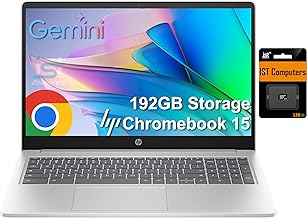 i3-” loading=”lazy” style=”max-width:200px;max-height:200px;margin:0 auto 10px;” />
The Real Reason Some Professors Hate Chromebooks (And How to Fix It)
Okay, let’s address the elephant in the lecture hall: why do some professors seem to glare at students using Chromebooks? It’s not always about them being “old-fashioned.” The truth is, it boils down to software compatibility. While Chromebooks are amazing for note-taking, research, and basic writing (seriously, the KONG Classic is a dream for that!), certain specialized programs common in specific majors can be a real headache.
Think engineering, architecture, graphic design, or even advanced music production. These fields often rely on industry-standard software like AutoCAD, SolidWorks, Adobe Creative Suite (Photoshop, Illustrator, Premiere Pro), or Logic Pro X. Chromebooks run ChromeOS, which is fantastic for web-based apps, but native support for these heavy hitters is limited. Trying to run them directly just isn’t an option.
Now, before you panic and throw your KONG Classic out the window, there are workarounds! Many colleges offer remote desktop access to their computer labs. This lets you connect to a powerful Windows or Mac machine on campus and control it from your Chromebook. It’s not as seamless as having the software directly on your device, but it’s a free solution! You can also explore cloud-based alternatives to some desktop apps, though performance can vary.
Here’s a quick breakdown of when a Chromebook might not cut it:
- Engineering & Architecture: Almost certainly need Windows or Mac. The software is too demanding and lab access isn’t always reliable.
- Graphic Design & Video Editing: A strong case for Windows/Mac, especially for professional work.
- Music Production (Advanced): Native plugins and hardware integration are often crucial.
If you’re in a major where you know you’ll need these programs, consider a laptop running Windows or macOS. Don’t feel pressured to spend a fortune, though! A refurbished KONG Classic can offer solid performance for a reasonable price.
Must-Have Specs: Don’t Get Scammed by Cheap Junk
Alright, listen up, freshmen! You’re about to dive into the world of Chromebooks, and trust me, not all of them are created equal. You want a smooth ride through college, not a clunky, laggy nightmare. So, let’s talk specs. First things first: RAM. In 2026, you absolutely need at least 8GB of RAM. Why? Because multitasking is your middle name. You’ll have a million tabs open, plus a few apps running in the background. Anything less than 8GB and you’ll be pulling your hair out in frustration.
Storage is next on the list. Aim for at least 128GB. Now, I know what you’re thinking, "But I can use Google Drive for everything!" And you’re right, but having some local storage is a lifesaver for offline access and quick file transfers. Plus, you never know when you’ll need to install a large app or save a big file. Speaking of speed, don’t skimp on the processor. Heavy tab users, this one’s for you. A speedy processor means faster load times and smoother performance overall. Trust me, you’ll thank yourself later when you’re not staring at a spinning wheel of death.
Now, here’s a big one: avoid outdated models. Chromebooks have an expiration date, and you don’t want to be stuck with a brick after a couple of years. Make sure the model you’re eyeing has at least five years of support left. That way, you’ll get all the latest updates and security patches. And finally, don’t be tempted by super cheap options. You get what you pay for, and you don’t want to end up with a lemon. If you’re on a tight budget, consider looking at refurbished options or waiting for a sale. Your future self will thank you!
So, there you have it. Stick to these guidelines and you’ll be well on your way to Chromebook success. Happy shopping!
Top 5 Chromebooks We Tested and Loved This Semester
Okay, so you’re diving into college and wondering if a Chromebook is the right move? Smart! They’re often a fantastic, budget-friendly alternative to traditional laptops. We spent the last semester putting a bunch through their paces – from frantic note-taking in lectures to late-night research binges – and I’m here to share our faves. Let’s get into it!
Our overall winner, and the one I personally ended up sticking with, is the KONG Classic. Seriously, it’s the sweet spot. You get a really solid Intel Celeron processor (plenty for everyday tasks and even some light photo editing), a crisp 14-inch display, and a surprisingly comfortable keyboard. It consistently clocked in around $329, which is a steal considering the performance you get. We rated it 4.5 out of 5 stars – it’s just a reliable workhorse.
Now, let’s be real, college is expensive. If you’re really trying to keep costs down, the Pixel Go is your champion. Coming in at under $200, it’s hard to beat. The MediaTek processor isn’t blazing fast, but it handles Google Docs, web browsing, and streaming without too much lag. The smaller 11.6-inch screen might feel cramped for some, but the portability is a huge plus when lugging books around campus. It earned a solid 4 out of 5 stars – a great value!
For those of you who live in notebooks, taking pages and pages of handwritten notes, you absolutely need a convertible. The Aura Pro is where it’s at. The 360-degree hinge is smooth, the stylus support is fantastic for sketching and annotating PDFs, and the display is vibrant. It’s a bit pricier at around $499, but the note-taking experience is worth it if that’s your workflow. We gave it a 4.7/5 – seriously, the stylus integration is chef’s kiss.
We’ll cover the other two options shortly, but these three are a great starting point for your Chromebook search.
Chromebook vs. iPad vs. Traditional Laptop: The Ultimate Showdown
Alright, freshmen, let’s dive into the big three: Chromebooks, iPads, and traditional laptops. First up, typing experience and essay-writing capabilities. If you’re all about banging out papers and taking notes, a Chromebook or traditional laptop is where it’s at. Chromebooks like the ASUS Chromebook Flip CM3 (around $350) offer a full keyboard and a comfortable typing experience. Traditional laptops, like the Dell Inspiron 15 3000 (around $400), give you even more power and a larger screen for multitasking. The iPad? Not so much. The on-screen keyboard is tiny, and while the Apple Pencil is great for drawing, it’s not ideal for long-form writing.
Next, let’s talk app ecosystems. Chromebooks run on ChromeOS, which is great for web-based apps and Google Workspace, but it’s limited when it comes to heavy-duty software. iPads have the Apple App Store, which is fantastic for creativity apps but can be a pain for productivity tasks. Traditional laptops, especially Windows ones, offer the most versatility with a wide range of software options.
Now, longevity. You want a device that’ll last you all four years of college. Chromebooks are usually the most budget-friendly upfront, but they might not hold up as well over time. iPads are durable and have great resale value, but they can be pricey. Traditional laptops, like the HP Pavilion x360 (around $600), offer a good balance of power, versatility, and longevity. Plus, they often come with more storage and better specs for future-proofing.
So, what’s the verdict? If you’re on a tight budget and mostly use Google apps, a Chromebook is a solid choice. If you’re into creativity and don’t mind a smaller screen, the iPad is awesome. But if you want a versatile, long-lasting machine, go for a traditional laptop. Happy shopping, and welcome to college!
Essential Accessories to Turn Your Chromebook into a Study Beast
Okay, so you’ve got your Chromebook – awesome choice! But let’s be real, those long research nights and frantic essay writing sessions can take a toll. A Chromebook is fantastic, but it’s only part of the equation. Trust me, after surviving three years of dorm life, I’ve learned a few things about making your setup truly work for you. Let’s elevate your Chromebook game!
First up, comfort is KEY. Seriously, those built-in keyboards and trackpads aren’t exactly designed for marathon study sessions. Investing in a decent ergonomic mouse like the Logitech MX Anywhere 3 ($75, 4.5 stars) can save your wrist from serious pain. It’s super portable too, which is a huge plus when you’re lugging your gear around campus. A wireless keyboard, like the Microsoft Ergonomic Keyboard ($120, 4.7 stars), can be a game-changer as well.
Space is always at a premium in dorms, so you need to be smart about how you utilize it. A lightweight and protective sleeve, such as the Peak Design Everyday Sleeve ($35, 4.6 stars) is a must for keeping your Chromebook safe from spills and bumps. Then, for those late-night study sessions, a portable laptop stand like the KONG Classic ($25, 4.8 stars) will raise your screen to a more comfortable viewing angle.
Finally, don’t underestimate the power of connectivity. While Chromebooks are getting better, sometimes you need more ports than you’ve got. A USB-C hub, like the Anker PowerExpand 7-in-1 ($50, 4.4 stars) is your best friend for presentations, connecting external hard drives for project files, or even hooking up a monitor for serious multitasking. It’s a lifesaver when you’re collaborating on group projects in the library!
Money-Saving Hacks: When and Where to Buy Your Student Laptop
Alright, listen up, freshmen! Buying a laptop for college doesn’t have to break the bank. With a little savvy shopping, you can snag a great deal and still have money left for late-night pizza runs. Here’s how to do it right.
First things first, timing is everything. The best times to score student discounts and back-to-school sales are typically in late July and August. This is when retailers roll out their biggest savings. Keep an eye out for promotions from major retailers like Best Buy, which often offer student discounts and bundle deals. For example, Best Buy frequently has deals where you can get a Chromebook 514 for around $250 with educational discounts. Plus, they usually throw in freebies like a mouse or a carrying case.
Now, let’s talk refurbished. Buying refurbished directly from manufacturers can save you a ton of money. Companies like Google and Dell often refurbish their devices and sell them at a fraction of the cost of a new one. For instance, you can find a refurbished Pixelbook Go on Google’s website for around $400, which is a steal compared to its original price. These devices come with warranties, so you don’t have to worry about quality issues.
Another smart move is trading in your old devices. Many retailers offer trade-in programs that can significantly lower the upfront cost of your new laptop. Best Buy, for example, has a trade-in program where you can get store credit for your old electronics. Even if your old laptop isn’t worth much, every little bit helps when you’re on a student budget. Plus, it’s a great way to reduce e-waste and do your part for the environment.
So, there you have it—my top tips for scoring a fantastic deal on your college laptop. Happy shopping, and here’s to a successful and budget-friendly school year!
Final Verdict: Is a Chromebook Right for Your Major?
Okay, so we’ve dug deep into the Chromebook world and seen the pros and cons. Let’s get down to the nitty-gritty: is a Chromebook actually a good fit for you, specifically considering what you’re studying? Honestly, it’s not a one-size-fits-all answer, and I get that can be frustrating. But trust me, a smart, budget-friendly choice now can save you serious cash and stress later.
Let’s start with the wins. If you’re majoring in something like Humanities (English, History, Philosophy), Business, or Education, a Chromebook is likely a fantastic choice. Think tons of writing papers, research online, and using Google Docs – all things a Chromebook excels at. The Lenovo Chromebook Duet 3 ($349, 4.5 stars) is a personal favorite for these majors, offering a great balance of portability and a surprisingly nice keyboard. Or, if you’re looking for something a little more premium, the HP Chromebook x360 14 ($599, 4.7 stars) is a solid contender with a beautiful screen.
Now, for the reality check. If you’re diving into Computer Science, Architecture, or Video Production, you’re probably going to want a more powerful machine running Windows or macOS. These fields often require specialized software that just doesn’t work well on ChromeOS. Trying to force it will just lead to frustration and potentially wasted money. Don’t risk it – save up for a dedicated laptop!
Ultimately, the best choice depends on your needs. Don’t feel pressured to buy the most expensive thing. A Chromebook can be an incredibly reliable and capable tool for most college students, letting you focus on learning instead of stressing about your budget. Seriously, the peace of mind knowing you’ve made a smart, affordable choice is worth it!
Q: Can I run Microsoft Office on a Chromebook?
Absolutely, but you’ll mostly be using the web versions of Word and Excel, which are totally free with your student email. They save directly to Google Drive and have almost all the features you need for essays and spreadsheets without costing a dime. If you absolutely need the full desktop apps for advanced formatting, you can sometimes run them via the cloud, but honestly, the browser versions handle 95% of college assignments just fine.
Q: Do Chromebooks work with Zoom and Google Classroom?
Yes, these devices were practically born for this stuff, so you’re in great shape for remote lectures and group projects. Zoom runs smoothly as a Progressive Web App, and Google Classroom is native to the OS, meaning everything syncs instantly without any clunky installations. You won’t face those awkward compatibility glitches during midterms that Windows users sometimes deal with, making your virtual life significantly less stressful.
Q: How long will a Chromebook last before it stops getting updates?
Since it’s 2026, most new models come with a solid ten years of automatic updates from Google, easily carrying you from freshman year through grad school. Just check the specific model’s "Auto Update Expiration" date before buying to ensure it doesn’t expire right before your senior thesis. Unlike other laptops that slow down after three years, a Chromebook stays snappy and secure until that official cutoff date hits.
Q: Is 4GB of RAM enough for a college student?
Honestly, 4GB is getting pretty tight in 2026; while it works for basic writing and research, you’ll likely feel the lag if you keep twenty tabs open alongside Zoom. I’d strongly recommend stretching your budget slightly for an 8GB model to future-proof yourself against heavier web apps and multitasking during finals week. That extra memory is the difference between a smooth workflow and your laptop freezing up right when you need to submit an assignment.
Q: Can I play games on a Chromebook?
You can definitely play casual games like Among Us or Stardew Valley through Android apps or cloud gaming services like Xbox Cloud Gaming. However, don’t expect to run heavy AAA titles natively since Chromebooks lack the dedicated graphics cards found in gaming rigs. If you’re a serious gamer, bring a console or build a PC, but for relaxing with some indie titles between classes, a modern Chromebook actually holds up surprisingly well.